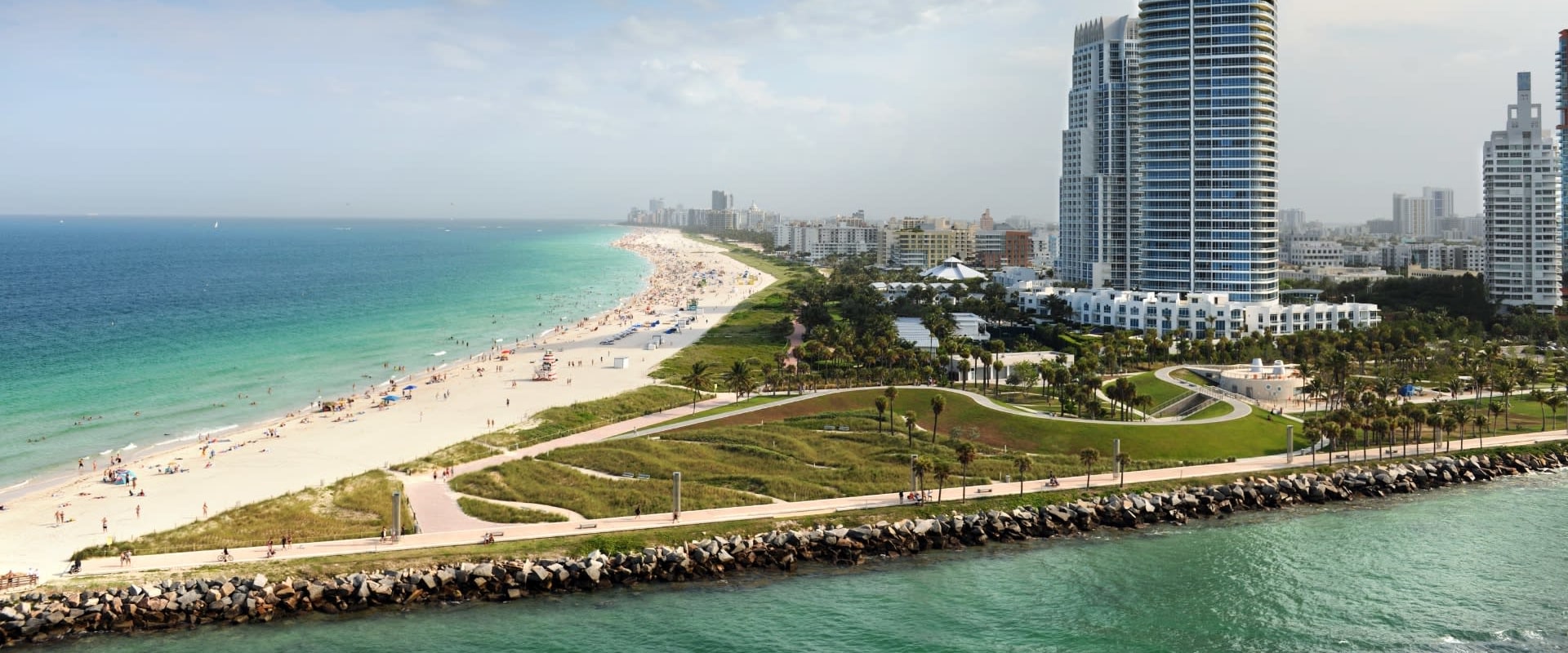
Clearwater, Florida, a vibrant city located on the Gulf Coast, is not only known for its stunning beaches and recreational opportunities but also for its dynamic business environment. As entrepreneurs and investors consider starting a business in Clearwater, understanding the various business entities in Clearwater, Florida becomes crucial. From sole proprietorships to limited liability companies (LLCs) and corporations, each type of business entity offers distinct advantages and responsibilities that can significantly impact operations and growth. Additionally, assessing the Florida housing market is essential for those looking to establish a business presence in the area. One of the key considerations for potential business owners, especially those from outside the United States, is the issue of becomes crucial. From sole proprietorships to limited liability companies (LLCs) and corporations, each type of business entity offers distinct advantages and responsibilities that can significantly impact operations and growth. Additionally, assessing the Florida housing market is essential for those looking to establish a business presence in the area. One of the key considerations for potential business owners, especially those from outside the United States, is the issue of foreign ownership restrictions.
While Clearwater welcomes foreign investment, there are specific regulations that govern how non-residents can own and operate businesses within the state. These regulations are designed to ensure compliance with both state and federal laws, which can vary depending on the type of business entity chosen. As we delve deeper into this topic, it is essential to explore not only the types of business entities available but also the implications of foreign ownership. Understanding these factors will equip prospective business owners with the knowledge needed to navigate the legal landscape effectively and make informed decisions that align with their entrepreneurial goals in Clearwater.
Overview of Business Entities in Clearwater, Florida
When considering business entities in Clearwater, Florida, it is essential to understand the various types of legal structures available. Each type of business entity offers distinct advantages and disadvantages, particularly for foreign investors looking to establish a presence in the area.Types of Business Entities
- Limited Liability Company (LLC): An LLC is a popular choice due to its flexibility and protection from personal liability.
It allows for pass-through taxation, meaning profits are taxed at the individual level rather than at the corporate level.
- Corporation: Corporations can be either C-Corps or S-Corps. C-Corps are taxed separately from their owners, while S-Corps allow profits to pass through to shareholders, avoiding double taxation. However, S-Corps have restrictions on the number and type of shareholders.
- Partnership: Partnerships involve two or more individuals who share ownership and profits. General partnerships expose partners to personal liability, while limited partnerships offer some protection for limited partners.
- Sole Proprietorship: This is the simplest form of business entity, where one individual owns and operates the business.
While easy to set up, it does not provide liability protection.
Foreign Ownership Regulations in Florida
Understanding the foreign ownership regulations in Florida is crucial for anyone looking to invest in business entities in Clearwater, Florida.The state has established a framework that allows foreign investors to own and operate businesses, but there are specific laws and regulations that must be adhered to.In general, Florida does not impose significant restrictions on foreign ownership of business entities. Foreign individuals and corporations can own 100% of a business, provided they comply with federal and state laws. However, there are certain sectors where additional scrutiny may apply, particularly in industries related to national security, such as telecommunications and defense.
Key Regulations for Foreign Investors
- Business Registration: Foreign entities must register with the Florida Division of Corporations to legally conduct business in the state. This includes filing necessary documents and paying applicable fees.
- Tax Compliance: Foreign owners must ensure compliance with both federal and state tax obligations.
This may involve obtaining an Employer Identification Number (EIN) from the IRS.
- Licensing Requirements: Depending on the nature of the business, specific licenses or permits may be required. It is essential to check local regulations in Clearwater.
- Investment Restrictions: While most sectors are open to foreign investment, certain industries may have restrictions or require additional approvals from federal agencies.
Key Considerations for Foreign Investors
When considering foreign ownership of business entities in Clearwater, Florida, there are several key factors that potential investors should keep in mind to ensure a smooth and successful venture.- Understanding Local Regulations: Foreign investors must familiarize themselves with local, state, and federal regulations that govern business operations.
Clearwater has specific laws that may affect foreign ownership, including licensing requirements and zoning laws.
- Choosing the Right Business Structure: Selecting an appropriate business entity is crucial. Options include Limited Liability Companies (LLCs), corporations, and partnerships. Each structure has different implications for liability, taxation, and operational flexibility.
- Legal Compliance: It is advisable for foreign investors to seek legal advice from professionals who specialize in business law in Florida. They can provide insights into compliance with the Foreign Investment Risk Review Modernization Act (FIRRMA) and other relevant legislation.
- Tax Implications: Understanding the tax obligations for foreign-owned businesses is essential.
This includes federal taxes, state taxes, and any applicable international tax treaties that may affect profits repatriation.
- Cultural Considerations: Navigating the local business culture can significantly impact success. Building relationships with local partners and understanding consumer behavior in Clearwater can provide a competitive edge.
Common Misconceptions About Foreign Ownership
When considering foreign ownership of business entities in Clearwater, Florida, several misconceptions can cloud judgment and deter potential investors. Understanding these myths is crucial for making informed decisions.- Myth 1: Foreigners Cannot Own Businesses in Florida
Many believe that foreign nationals are prohibited from owning businesses in the U.S., particularly in Florida.In reality, there are no restrictions on foreign ownership of most business entities, including LLCs and corporations. Foreign investors can fully own and operate businesses in Clearwater.
- Myth 2: All Business Types Are Restricted
Another common misconception is that certain types of businesses are off-limits to foreign owners. While some industries, such as defense or telecommunications, may have specific regulations, the majority of sectors welcome foreign investment. This includes retail, hospitality, and technology. - Myth 3: Complex Legal Requirements
Many potential investors fear that the legal requirements for starting a business in Clearwater are overwhelmingly complex.While there are necessary steps to follow, such as registering the business and obtaining permits, these processes are straightforward with the right guidance. Consulting with a local attorney or business advisor can simplify this journey.
- Myth 4: Foreign Investors Face Higher Taxes
Some believe that foreign ownership automatically results in higher tax liabilities. However, tax obligations depend on various factors, including the type of business entity and its revenue. Florida is known for its favorable tax climate, which can benefit both domestic and foreign owners.
Understanding the realities of foreign investment will empower individuals to navigate the local market effectively and seize opportunities for growth.
FAQs About Foreign Ownership of Business Entities in Clearwater
When considering foreign ownership of business entities in Clearwater, Florida, several common questions arise. Below are some frequently asked questions that can help clarify the regulations and processes involved.What are the general restrictions on foreign ownership?
In Clearwater, as in the rest of Florida, there are generally no specific restrictions on foreign individuals or entities owning a business. However, certain industries may have additional regulations. For example, businesses involved in national security or telecommunications may face stricter scrutiny.Do foreign owners need to register their business?
Yes, foreign owners must register their business with the Florida Division of Corporations.This includes filing the necessary paperwork and paying applicable fees. Additionally, they may need to obtain a federal Employer Identification Number (EIN) from the IRS.
Are there tax implications for foreign-owned businesses?
Foreign-owned businesses in Clearwater are subject to federal and state taxes. It is crucial for foreign owners to consult with a tax professional to understand their obligations and any potential tax treaties that may apply.Can a foreign entity open a bank account in Clearwater?
Yes, foreign entities can open bank accounts in Clearwater. However, they will typically need to provide documentation such as proof of business registration, identification, and possibly a tax identification number.What legal structures are available for foreign investors?
- Limited Liability Company (LLC): A popular choice due to its flexibility and protection against personal liability.
- Corporation: Suitable for larger operations, offering limited liability and easier access to capital.
- Sole Proprietorship: While less common for foreign investors, it is an option for those looking to operate independently.
For more detailed guidance, consulting with a legal expert familiar with Florida's business regulations is advisable.
Conclusion: Navigating Foreign Ownership in Clearwater's Business Landscape
In conclusion, understanding the restrictions on foreign ownership of business entities in Clearwater, Florida is crucial for any potential investor looking to enter this vibrant market. Throughout this article, we have explored various aspects of foreign ownership, including legal requirements, types of business entities available, and the implications of local regulations.Foreign investors must be aware that while Clearwater offers a welcoming environment for business, there are specific legal frameworks that govern foreign ownership. These include:- Business Structure: Choosing the right type of entity—such as a corporation or limited liability company (LLC)—is essential, as different structures may have varying restrictions.
- Licensing and Permits: Foreign owners must obtain the necessary licenses and permits to operate legally within the state.
- Compliance with Federal Regulations: Certain industries may have additional federal restrictions that could impact foreign ownership.
By understanding the local laws and seeking professional guidance, investors can successfully establish their presence in this dynamic market.